
✨ Hospital Report and Vaccination
50
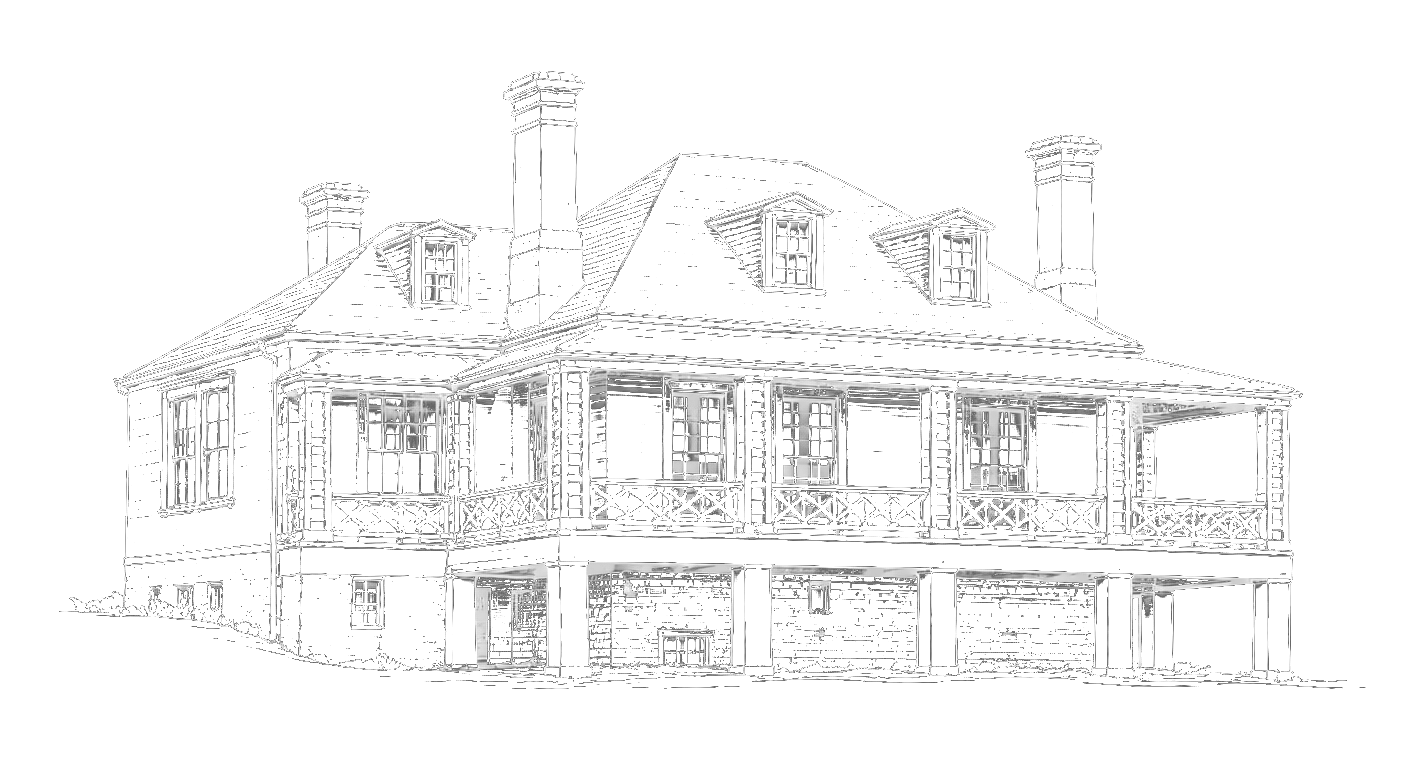
servants’ room up stairs. Those lower apart- ments are elevated by deal flooring about eighteen inches above the ground; but the foun- dation of the building being a wall of stone masonry, with very narrow occasional imper- tives left between that and the ground phase, ventilation is very imperfect, or much too limited to obviate the stagnation of damp, or other more deleterious emanations.
The wards, I understand, were calculated for the accommodation of fifteen patients, but they have not the requisite proportions for that number; so I should say that, according to Hospital usage, they would be injudiciously taxed with so many, and that twelve is about the maximum they could conveniently hold.
Every ward has a fireplace and two win- dows, but, as the latter are only in one end of each, the means of ventilation are imperfect, and might not now be conveniently remedied.
I may therefore conclude this head with the observation that the hospital, hitherto, has proved to be a very great boon, particularly to the native community, and has secured one grand object of such institutions, giving com- fortable accommodation and provision to those who, by disease or accident, are under the ne- cessity of having recourse to it for relief or cure.
But the main utility, particularly to the aborigines, is, and ever will be, its dispensary; for, by this being open to them, disease is often checked in the bud, and it obviates the neces- sity of absenting themselves from either their families or industrial pursuits. As in-patients, they do not very readily fall into the outways, nor do they readily succumb to the restraints which the rules of an hospital necessarily impose, these in general being obverse to their own ac- customed free and easy usages.
The short account of small-pox, which was published in the native language some twelve months ago, made an extraor- dinarily powerful impression, in this district, on the Maori mind, creating at the same time a singularly urgent anxiety to be vacci- nated. Hence, no sooner was it known that the antidote was in our possession, than not only the hospital and the town practitioners were besieged by applicants from far and near, but ex-professional gentlemen also were eagerly solicited to become operators in the case, as if the enemy they so fearfully dreaded were at the threshold and not a day to be safely lost; nay, so great was the panic among them, and so precious, too, their intuition, that ere long they began to vaccinate one another; and, find- ing that they could produce vesicles, or pustu- lar blebs any way like to these, vaccination hence went on in indiscriminate progress to the neglect of all observances, and in hand-in- hand deterioration which it is impossible now with any probability of truth to estimate or surmise.
Unfortunately vaccination, universally, has become too lightly-considered an operation, and nicety of observation in the progress has been overlooked from the mere simplicity of that. Hence, as elsewhere, the great evil to be dreaded by trusting its introduction to native management, or even to that of those who have little knowledge or right experience in the distinctive characters of genuine, and of imperfect and insufficient cow-pox, is the fact of the frequent production of the spurious vesicle, and this being allowed to pass as the valid prophylactic of small-pox disease.
Nothing, for example, has been much better ascertained than that vaccination applied to persons affected with either acute or chronic cutaneous diseases—and such among the Abo- rigines abound here—most seriously impedes the genuineness of the vesicle, or runs it into pustule, consequently deteriorates, or nullifies its exemptive power; while in no one instance that I have ever witnessed has the virus had the slightest compensating influence in curing or modifying any of these. But, as has been well remarked, and abundantly testified here, it becomes in many such instances a common poison, capable of producing a dark or un- healthy red and widely-diffused areola, having for its apex a muddy vesicle, a purulent pus- tule, which ends in a foul sore, or an axillary tumour, with high symptomatic fever super- added to one or other, or all of these.
Thus I was led, in so far as I had oppor- tunity to discriminate, to reject all so affected who offered for the operation, as also those in whom active strumous glandular swellings were obvious. But this precaution mattered not, as I invariably observed those I postponed readily got others to officiate in lieu; and accordingly are now, with a legion similarly circumstanced, living in the delusive faith that they are in- vested with ample security against the influence of small-pox disease.
A low insidious fever of the typhoid type has been more or less noticed among the white population of New Plymouth, occurring in the country as well as in the town, for these three years past. The general notion is that its first appearance dates from the winter of 1847, when, from the number of successive cases, and the death therefrom of an esteemed public character, it attracted much notice, and indeed seems to have been regarded by this ordinarily fever-undisturbed community as stalking over the district in somewhat the form of an epidemic. Yet, according to the testimo- ny of a medical gentleman, Mr. St. George, who, from the origin of the settlement, has been here, and who professionally attended the ma- jority of the cases, the amount of these was no more in number, or in frequency of con- secutive occurrence, than as follows—
In April ...... 3 cases.
June .......... 4 "
July ........ 8 "
August ...... 3 "
October ...... 4 "
Making in all twenty-two, of which number one only died, and that result was imputed more to peculiarity of antecedent circumstances and to diversity of treatment than to any extra- ordinarily aggravated explosion of the disease. From this very minimum mortality, therefore, we may with every probability infer that,
Next Page →
 New Ulster Gazette 1850, No 9
✨ LLM interpretation of page content
🏥
Colonial Hospital, New Plymouth, Annual Report
(continued from previous page)
🏥 Health & Social Welfare1 December 1849
Annual Report, Colonial Hospital, New Plymouth, Climate, Health, Soil, Swamps, Population, Maori, Agriculture, Housing, Vaccination, Smallpox, Fever
- St. George (Mr.), Medical practitioner attending fever cases