
✨ Silk Cultivation Committee Report
( 148 )
cular to the silkworm. Their inquiries satisfy them, that there are already in the colony several sorts of the mulberry plant, the best adapted for the subsistence of the silkworm and for the production of silk; and that a sufficient number of plants and cuttings may, by diligent exertion, be procured at an almost nominal expense, to plant several acres of land this season. This operation should be the first to be engaged in—the defect most observable at present being that of quantity in any one given spot. The smallness, cuttings will usually thrive, and the growth of the plant is rapid.
“The Committee have next inquired into the state of the insect. Eggs are easily procured, and the ratio of increase is great. The Committee are therefore assured, that the numbers of the insects may always be rendered greater than the means of their subsistence. The common silkworm now in the colony furnishes silk of a superior quality, but has not as yet been proved to be so productive as that of Italy, in respect of the quantity of silk. It is supposed, on good grounds, to be derived from the Italian; perhaps mixed with some other kind, and degenerated by bad treatment; and consequently capable, in another generation, of being restored. The committee are informed that a small supply of the French worm may be had, and Mr. Beuzeville proposes to commission a quantity of eggs from China and India before next year.
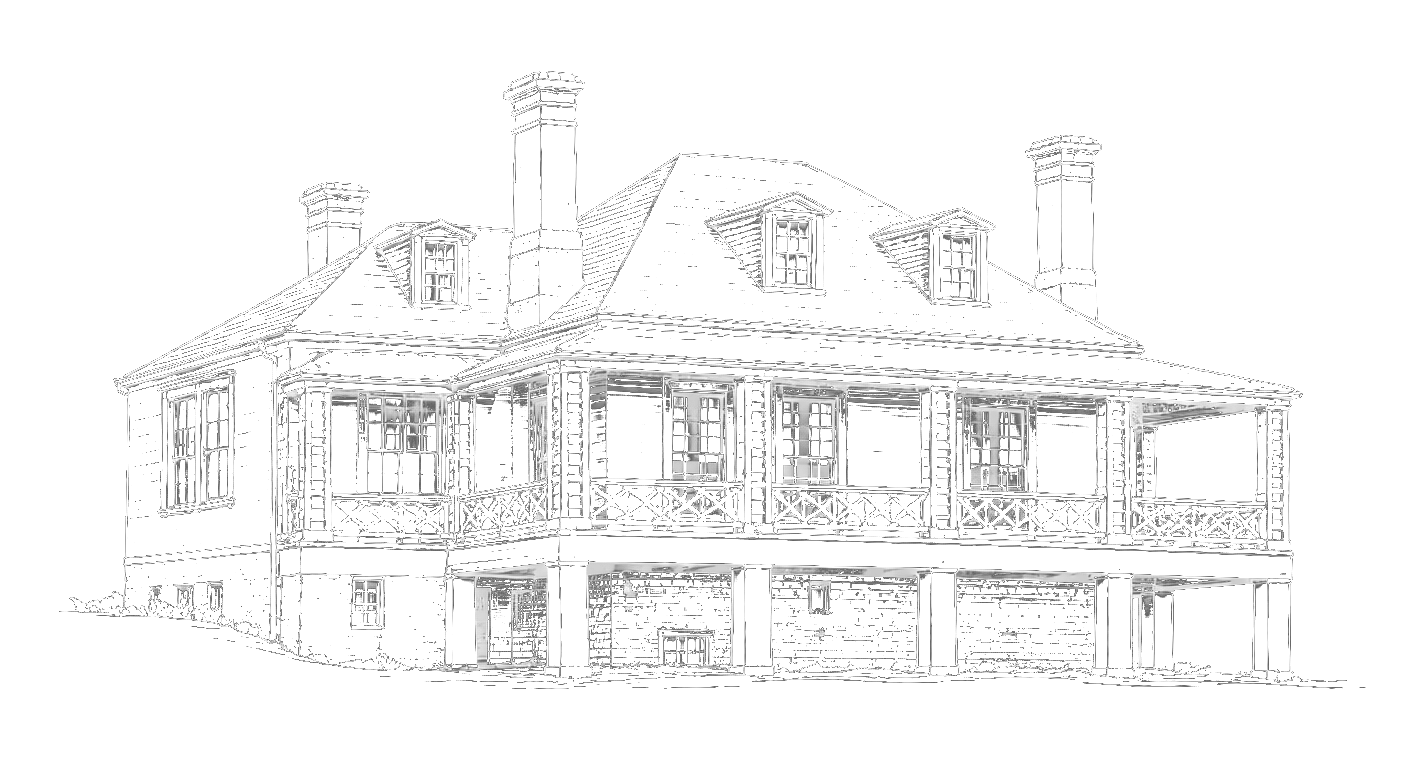
“The Committee have directed their inquiries to the capabilities of the farm of Eastwood, which Mr. Beuzeville recommends for the site of the plantation and filature. It is situated in the district of Kissing Point, near the village of Ryde. The terms on which it is offered suit an Experimental Institution. The land is of good quality, and, together with much of the land in the neighbourhood, is suitable for the mulberry. There is an abundant supply of pure water—an important requisite for a filature. The house is large enough to afford not only a residence for the Superintendent and his family, but also as many spare rooms as will render it unnecessary to erect anything new for the accommodation of the insects rearing or workpeople, until the second year. The proximity of the farm to Sydney, Parramatta, and Liverpool, where Government Schools are established, may also perhaps prove an advantage. The pursuits of the residents of this district are already principally horticultural, and young persons are numerous. Since, therefore, by forming the establishment in this situation, the objects which the public meeting contemplated will probably be as rapidly effected as in any other part of the colony, the committee cannot but approve Mr. Beuzeville’s choice.
“With regard to the next important subject before the Committee, it would appear upon examination and some slight modification of Mr. Beuzeville’s money estimates, that the sum of six hundred pounds will be necessary during the first year, four hundred pounds during the second, and two hundred pounds during the third, for carrying out his plans. These three sums and periods will suffice, your Committee think, for a complete trial and general introduction of the art of silk culture into the colony, and for a proof of its profitable character. The Committee have every confidence that the money mentioned will speedily be raised by contributions, which must be made without reference to repayment; although the Committee are not without hope of being able, when the period of the experiment shall have expired, to propose a restitution of the contributions, or their dedication to some equally important public purpose. The Committee think they may reckon on some pecuniary assistance from the Legislature, if required. They recommend, therefore, that collections be immediately made, from those who have manifested an interest in the subject, and others who may hereafter be similarly disposed; and that (as it is important to avail themselves of the planting season) operations should commence as soon as the paid-up donations shall amount to four hundred pounds.
“In case this meeting shall approve of the Committee’s Report, they further recommend the appointment of a Committee to receive and administer the funds, and control the operations, with instructions to report periodically to a public meeting of the contributors.”
Mr. David Jones moved, and Mr. Lyall seconded, the adoption of the Report.—Carried.
Mr. Ray moved, and Mr. Kemp seconded—
“That the following Gentlemen be a Committee of Management for the year ending 10th July, 1849, to establish and carry on an experimental Silk Institution, agreeably to the recommendations contained in the Report—Messrs. John Brown, John Alexander, William R. Scott, Thomas Woolley, Thomas S. Mort, Didier N. Joubert, George K. Holden, Thomas Forster, Archibald Campbell, and Allan M‘Gaa.”
Carried.
Mr. Scott moved, and Mr. Joubert seconded—
“That Charles Nicholson, Esq., M.D., the Rev. George Edward Turner, John Lamb, Esq., and Charles Moore, Esq., be visitors of the Institution.”
Carried.
Mr. Mort moved, and Mr. Jones seconded—
“That subscription lists be immediately opened, and placed in the hands of the Committee, and other friends of the Institution, for raising contributions to carry out the objects of the Meeting.”
Carried.
Mr. Mort moved that the Chairman be requested to present the thanks of the meeting to Mr. Lyons for his liberal accommodations to the present and former meetings on this subject.—Carried.
The thanks of the meeting having been given to Mr. Alexander for his conduct in the Chair, the meeting separated.
Auckland:—Printed by Williamson and Wilson for the New Zealand Government.
 New Ulster Gazette 1848, No 31
✨ LLM interpretation of page content
🌾
Report on Silk Cultivation and Preparation
(continued from previous page)
🌾 Primary Industries & ResourcesSilk, Cultivation, Preparation, Report, Mulberry, Silkworm, Eastwood Farm, Kissing Point
27 names identified
- Mr. Beuzeville, Proposed commissioning silk eggs from China and India
- David Jones (Mr.), Moved adoption of the Report
- Lyall (Mr.), Seconded adoption of the Report
- Ray (Mr.), Moved appointment of Committee of Management
- Kemp (Mr.), Seconded appointment of Committee of Management
- John Brown (Mr.), Appointed to Committee of Management
- John Alexander (Mr.), Appointed to Committee of Management
- William R. Scott (Mr.), Appointed to Committee of Management
- Thomas Woolley (Mr.), Appointed to Committee of Management
- Thomas S. Mort (Mr.), Appointed to Committee of Management
- Didier N. Joubert (Mr.), Appointed to Committee of Management
- George K. Holden (Mr.), Appointed to Committee of Management
- Thomas Forster (Mr.), Appointed to Committee of Management
- Archibald Campbell (Mr.), Appointed to Committee of Management
- Allan M‘Gaa (Mr.), Appointed to Committee of Management
- William R. Scott (Mr.), Moved appointment of visitors to the Institution
- Didier N. Joubert (Mr.), Seconded appointment of visitors to the Institution
- Charles Nicholson (Esquire), Appointed visitor to the Institution
- George Edward Turner (Reverend), Appointed visitor to the Institution
- John Lamb (Esquire), Appointed visitor to the Institution
- Charles Moore (Esquire), Appointed visitor to the Institution
- Thomas S. Mort (Mr.), Moved opening of subscription lists
- David Jones (Mr.), Seconded opening of subscription lists
- Thomas S. Mort (Mr.), Moved thanks to Mr. Lyons
- David Jones (Mr.), Seconded thanks to Mr. Lyons
- Lyons (Mr.), Received thanks for accommodations
- John Alexander (Mr.), Received thanks for conduct in the Chair