
✨ Report on Napier Provincial Hospital
4
The climate of Napier will successfully vie with any in the known world. The highly-vaunted climates of Madeira and the South of France are not comparable in their salutary effects on European constitution, in health or disease, to that of this place or the Bay of Islands. It is true there are great diurnal alternations of temperature, sometimes sudden falls of from 15° to 20° occasioned by changes of wind, which may, and do give rise to colds, diarrhoea, &c. The nights are invariably cool, with, in summer, a copious deposit of dew. The excessive heat of summer is moderated by the sea breeze, and our winters, save during severe southerly winds, are of the most temperate kind.
The number of days on which rain, much or little, fell in 1859, was 98. Distinction must be made between this and the actual quantity of rain per annum which falls; the latter we have no means of ascertaining, not having rain gauges, but from observations made at the Military Hospital, where daily thermometric and barometric changes are carefully, noted together with other meteorological vicissitudes, it is ascertained approximately that, during the spring months, more rain falls than during the remaining nine months. The atmosphere always contains a large proportion of moisture, which is exceedingly agreeable and salutary, save during the prevalence of the north-west winds, which here are violent and extremely arid, drying up vegetation and producing a painful dyspnoea, a suffocative feeling and an uncontrollable languor. These days are often succeeded by calm, sultry nights. This is, however, exceptional weather in this favored spot. In the absence of hygrometers, our laid-by boots and shoes attest the presence of atmospheric moisture, becoming coated with mildew, and our fair friends can elegantly, yet delicately, test the same by the uncoiling of the hair spirals of their curls, now, alas! becoming obsolete.
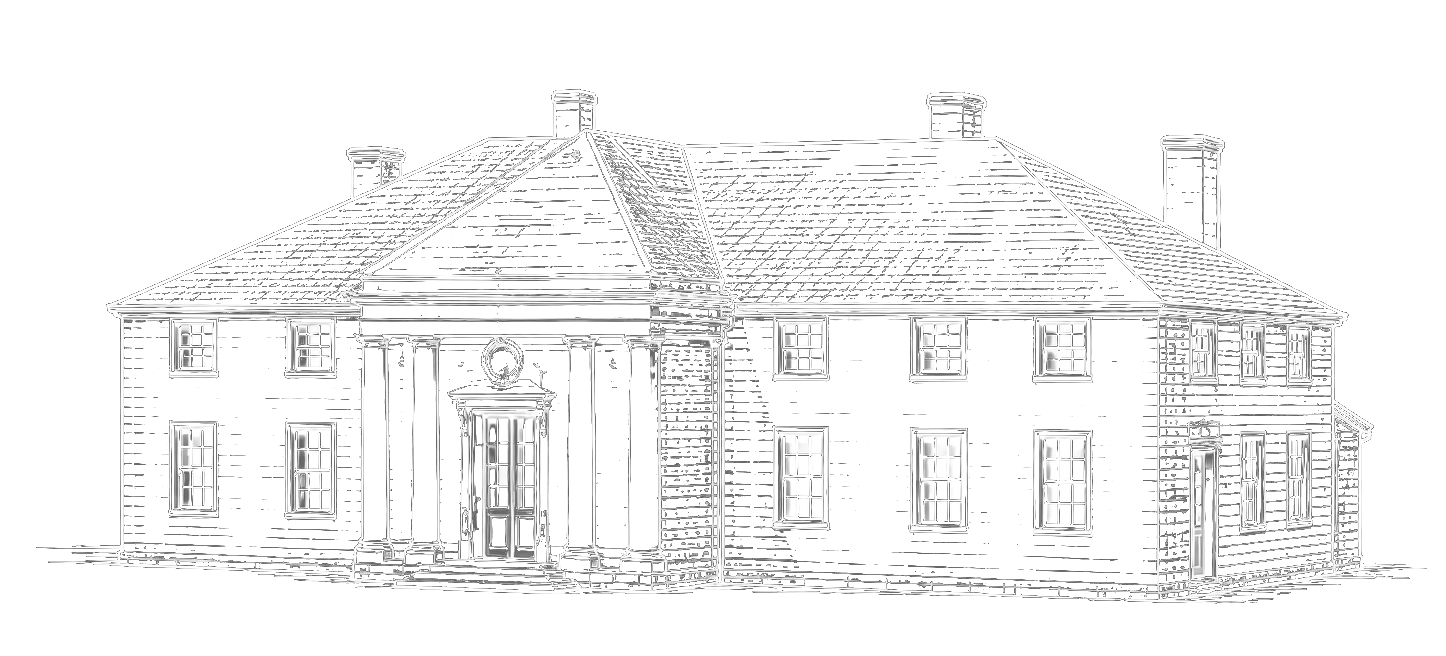
The Hospital of Napier is situated on an elevated site in the Town, about 200 feet above the sea level. It has a northerly aspect, and commands extensive views, both land and seaward. It consists of a plain building of one story, weather-boarded, 40 feet by 28 feet. There are two wards, each 16 feet by 14 feet, and 13 feet high, with a trap door communicating with the roof, which ensures free ventilation; one ward is allotted for male, another for female patients. Each contains five beds, which gives nearly 600 cubic feet of air for each patient. The inmates have as yet been nearly all males. There is a good roomy kitchen, a surgery, and sleeping apartment for the master and matron. There is also a detached wash-house and dead-house. The building formerly used for an Hospital was one rented temporarily by the Provincial Government, and situated in the middle of the Town. It served until the present more commodious building was erected. The accommodation in the present Hospital is barely sufficient to supply the increasing wants of the Province, and in case of any infectious disease breaking out would be wholly insufficient, for the reason that the male ward only contains five beds, and the admission of one female patient would confine the benefits of the institution to that number. The liberality of our Provincial Council will, we feel assured, remedy this by building an additional wing, as well as provide means for the safe confinement of lunatics which are now placed under the surveillance of the police. Water is supplied to the patients from a brick tank, estimated to contain 3000 gallons, which is filled by pipes conducting from the roof of the building. There is also a surface spring closely contiguous. The patients are well clothed and the dietary abundant and unexceptionable. Every thing is done to conduce to their benefit and alleviation.
The amount of good already effected by the institution may be gathered from the accompanying tabular return, whilst numbers of our patients are weekly relieved and supplied gratuitously with advice and medicines.
I may here mention that tooth instruments, cupping ditto, &c., should be supplied to the Hospital as those now in use are the private property of the Provincial Surgeon, and are required elsewhere.
On referring to the tabular return of patients treated in the Hospital, it will be especially noted that the mortality is very great—nearly 20 per cent—which is satisfactorily accounted for by the detailed history of each case, and that in no case was there at the time of its admission the most remote probability of any but a fatal result.
Next Page →
 Hawke's Bay Provincial Gazette 1861, No 34
✨ LLM interpretation of page content
🏥
Report on Napier Provincial Hospital and sanitary conditions
(continued from previous page)
🏥 Health & Social Welfare31 December 1860
Hospital, Sanitary conditions, Napier, Scinde Island, Health report, Climate, Meteorological observations