
✨ Sailing Directions for Port Phillip
Vessels working in between the Heads standing to the westward must keep Swan Island beacon open of Shortland’s Bluff until Point Lonsdale lighthouse is well open of the tidal flagstaff, when vessels of light draught may stand more in shore, keeping Swan Point a little open of Shortland’s Bluff, making due allowance, however, for the set of the flood tide; and above the Bluff, standing to the westward, do not shut in the Lonsdale lighthouse with the low lighthouse until you are a cable’s length above the pile lighthouse, when, do not stand inside the line of buoys.
Point Lonsdale light.—The light (fixed red and green) on Point Lonsdale has been established to warn vessels, entering or departing at night, of the vicinity to, and when they are clear of, the Lonsdale and Lightning Rocks.
Vessels steering from sea to Port Phillip, and near the entrance, will first see the Point Lonsdale green light on a N.W. by N. ½ N. bearing; and so long as they have it full in view they are to seaward of the Lonsdale and Lightning Rocks; when the two colours, red and green, begin to blend, it indicates vicinity to the line which passes on a N.W. by W. bearing from the light over these dangers.
When the Lonsdale red light opens out full, vessels are inside of them, and when they shut it in on a W. ½ N. bearing, they are inside of the Corsair Rock.
South Channel inwards.—If bound through the South Channel, after clearing the Heads, steer along the south side of the Bay, with Flinders Point kept just open of Point Lonsdale, in from nine to eleven fathoms, until Port King bears S. by E., leaving the red buoy on the Pope’s-eye Shoal on the port hand; and when the white buoy off Point King comes on with that point keep the flagstaff on Observatory Point a large sail’s length open to the southward of a small knob on the top of the western ridge of Point Nepean, which mark leads up in mid-channel until the white cliff bears S. by E., when bring the flagstaff just open to the southward of the knob until the easternmost white buoy comes on with a white tower on the top of Arthur’s Seat, which will lead through the channel, leaving the patch white buoy on the starboard hand, and when to the eastward of it, keep it open of Observatory Point flagstaff astern until the easternmost black buoy is on with Mount Martha, then steer E. by N. for the latter buoy, leaving it on the port hand, when, if bound to Hobson’s Bay, steer N. ½ W. twenty-seven miles; or, if bound to Geelong, N.W. ½ W. fourteen miles for the black buoy off Prince George’s Bank. [See Sailing Directions for Geelong.]
Vessels beating up the South Channel must be guided by the lead, not standing into less than four fathoms on either side, nor within the line of buoys; and when past the east white buoy there is plenty of room between the middle ground and the shore, which may be approached within half a mile into five fathoms, and when clear of the middle ground, and to the northward of Mount Martha, you can stand to the westward until the northernmost land of Indented Head comes on with Station Peak.
Directions for the guidance of vessels navigating the entrance to Port Phillip at night.
Vessels from the southward and eastward will see the high light (fixed white) on a N. ½ W. bearing, and the white low light (fixed white and red) on a N. ½ E. bearing, as they proceed to the N.W. to bring the two lights in one, the low light will change its colour from white to red on a N.N.E. ½ E. bearing.
Vessels from the southward and westward sighting the high light to the eastward of N.E. by E. should, to avoid the Barwon light, haul out to the eastward to open the low light, which will be first seen white on a N.E. by E. bearing, and as they proceed to bring the two lights in one the low light will change its colour from white to red on a N.N.E. ½ E. bearing.
A reference to the chart will show that, as heretofore, the best and safest course between the Heads is to keep the two Shortland’s Bluff lights in one line on a N.E. by N. and S. W. by S. bearing; but should the wind become scant and the vessel compelled to make a tack when in the vicinity of the Corsair Rock or the Point Lonsdale Reef, these dangers will be avoided by vessels of light draught so long as the Shortland’s Bluff low red light is kept in sight. Vessels so circumstanced must be careful to go about, or haul towards mid-channel before the low light changes from red to white.
Vessels steering from sea to Port Phillip, and near the entrance, will first see the Point Lonsdale green light on a N.W. by N. ½ N. bearing; and so long as they have it full in view they are to seaward of the Lonsdale and Lightning Rocks; when the two colours, red and green, begin to blend, it indicates vicinity to the line which passes on a N.W. by W. bearing from the light over these dangers.
With a view of keeping the fairway to the West Channel clear, vessels of light draught are recommended, when anchoring off Shortland’s Bluff, to bring up as close over towards the shore as possible on the N.W. side of the fairway, indicated at night by the Swan Spit light changing from red to white on a N.E. ½ E. bearing, and by day the Swan Spit lighthouse just opens E. of No. 1 black buoy.
Vessels of heavy draught should anchor on the S.E. side of the fairway, which is indicated at night by the Swan Spit light changing from red to white on a N.E. ½ N. bearing, and by day the Swan Spit lighthouse just opens W. of No. 2 white perch buoy.
Masters of vessels about to anchor at night off Shortland’s Bluff are requested to note that the low light shuts in on a W. by N. bearing.
After passing the West Channel lightship, steer N. by E. ½ E. for the lightship off Gellibrand’s Point, which point forms the western side of Hobson’s Bay. A long shallow flat sand stretches out a mile and a half from the eastern shore; its western end is marked by a white upright buoy with a perch in five fathoms bearing N.E. by N. from the lightship. The water shoals gradually from the buoy to high-water mark to the southward and eastward of the bank, trends away in the direction of the Red Bluff between St. Kilda and Brighton.
The best anchorage in Hobson’s Bay is in four fathoms, the old lighthouse from S. to S.W. moor with open hawse to the southward, laying the heaviest anchor out to the westward during the winter months, and to the eastward during the summer months.
Beating up from West Channel lightship to Hobson’s Bay, Gellibrand’s Point.—Vessels beating up from the lightship to Hobson’s Bay, must not stand into less than five fathoms on either side, nor approach the western shore nearer than three miles until Station Peak.
Next Page →
 Otago Provincial Gazette 1865, No 363
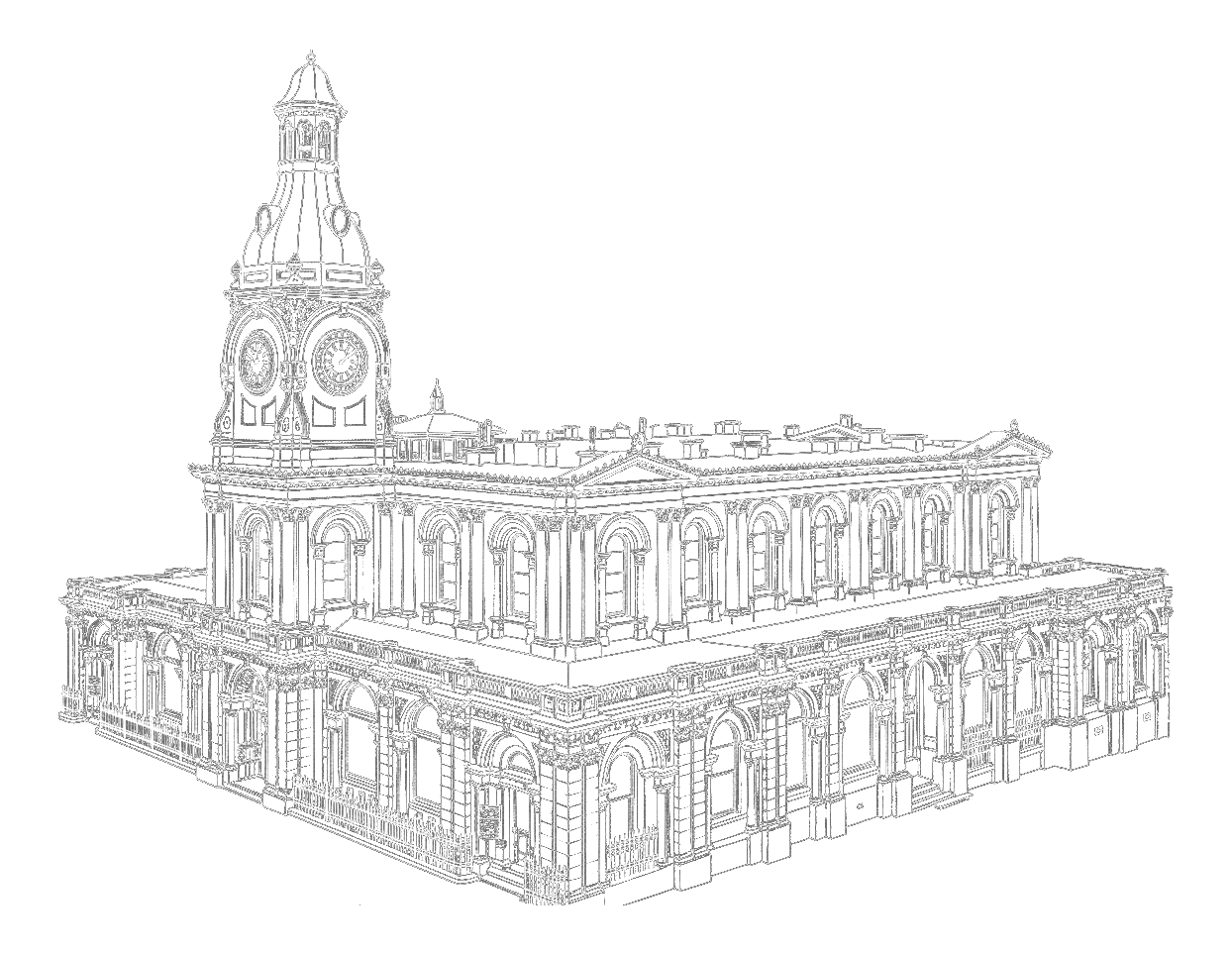
✨ LLM interpretation of page content
🚂
Revised Sailing Directions for Port Phillip
(continued from previous page)
🚂 Transport & Communications24 February 1865
Sailing Directions, Port Phillip, Navigation, Tides, Wrecks, Entrance, Lonsdale Reef, Nepean Reef, Corsair Rock, Lightning Rocks, Victory Shoal, Royal George Sand, Pope's-Eye Bank, Nicholson's Knoll, South Channel, West Channel, Cole's Channel, Point Lonsdale light, South Channel inwards, West Channel lightship, Hobson's Bay, Gellibrand's Point